


24 Mar Stroke in Young Adults: How to Care for Them
Stroke in Young Adults: How to Care for Them
When most people think of stroke, they may picture older adults in their later years. However, strokes can happen at any age, and unfortunately, they are becoming more common among young adults. According to the Centers for Disease Control and Prevention (CDC), stroke is the fifth leading cause of death for people under 45 years old in the United States. Young adults who survive a stroke face unique challenges during recovery, and the way in which they are cared for can significantly impact their rehabilitation process.
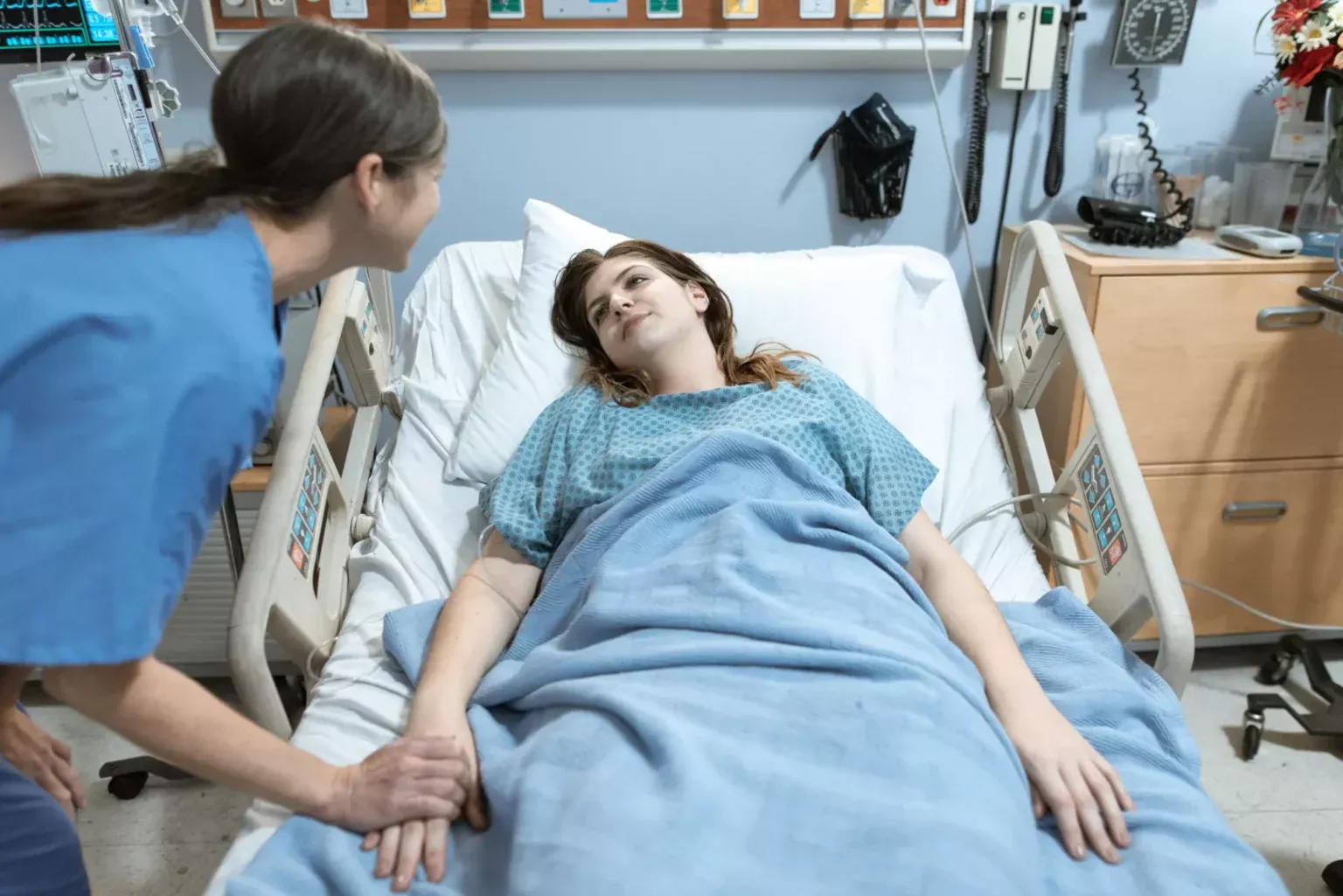
Caring for a young adult after a stroke requires understanding their specific needs and offering support in both practical and emotional ways. This blog will explore how to care for young adults who have experienced a stroke, what challenges they may face, and how to ensure their recovery journey is as smooth and successful as possible.
1. Understanding Stroke in Young Adults
Strokes in young adults, defined as those under 45, are relatively rare, but their effects can be just as devastating. The types of strokes that affect young adults can be similar to those that impact older populations, including ischemic strokes (caused by a blood clot) and hemorrhagic strokes (caused by bleeding in the brain). However, younger individuals may experience different risk factors that contribute to a stroke. These can include:
• Genetic factors such as clotting disorders
• Drug use, including recreational drugs like cocaine
• High blood pressure, which may go unnoticed in younger individuals
• Birth control use in women, which can increase stroke risk in combination with smoking
• Cardiac conditions, including heart defects or arrhythmias
Recognizing stroke symptoms early is critical for anyone, but especially for young adults, as early intervention can significantly improve recovery outcomes.
2. The Unique Challenges for Young Stroke Survivors
For young adults, the effects of a stroke can be particularly challenging because they are in the midst of building careers, forming relationships, and developing their independence. A stroke can interrupt these milestones, causing emotional distress, confusion, and uncertainty about the future. Some of the specific challenges young adults may face after a stroke include:
• Physical and cognitive impairments: Many young adults may experience motor deficits, speech difficulties, or cognitive impairments that hinder their ability to resume normal activities.
• Emotional and psychological impacts: The emotional toll of stroke on young adults can be profound. Many may feel isolated or depressed, especially if they struggle to return to their pre-stroke lifestyle.
• Work and social adjustments: A young adult recovering from a stroke may face difficulties returning to school or work. Social isolation is also common, as the individual may no longer be able to participate in the same activities or relationships as before the stroke.
• Financial stress: Stroke recovery can be expensive, and younger adults may not have the financial resources or insurance coverage to handle prolonged treatment, rehabilitation, and medical expenses.
Understanding and addressing these unique challenges can help create a more supportive environment for young stroke survivors and aid in their recovery.
3. Building a Support System
One of the most important aspects of caring for a young adult stroke survivor is providing emotional and practical support. Stroke recovery can be a long, difficult journey, and a strong support system is essential for success. Family members, friends, and healthcare providers should work together to offer a combination of physical, emotional, and social support.
Practical support:
• Assisting with daily tasks: In the early stages of recovery, stroke survivors may require help with basic tasks like cooking, cleaning, bathing, and dressing. Offering assistance with these tasks can allow the young adult to focus on their recovery without feeling overwhelmed.
• Transportation: If the young adult cannot drive due to physical or cognitive impairments, offering transportation to and from medical appointments, therapy sessions, or social activities can be crucial.
• Managing medical care: Keeping track of medical appointments, medications, and therapy schedules is important in the early days of recovery. Having a family member or caregiver help manage this can ensure that the stroke survivor stays on track.
Emotional support:
• Encouragement: Positive reinforcement can go a long way in helping young stroke survivors regain their confidence. Celebrate their milestones, whether big or small, and encourage them to keep moving forward.
• Active listening: Stroke survivors may experience frustration, sadness, or anxiety about their recovery. Being there to listen and provide empathy can make a huge difference in their emotional well-being.
• Connecting with others: Joining a stroke support group or connecting with other young adults who have experienced strokes can reduce feelings of isolation. Sharing experiences can provide reassurance that recovery is possible.
4. Therapy and Rehabilitation
Physical, occupational, and speech therapy are critical components of stroke recovery. These therapies help stroke survivors regain motor skills, improve cognitive function, and rebuild independence in daily activities. However, the rehabilitation process for young adults can differ from that of older stroke survivors.
Tailored rehabilitation:
• Personalized plans: Rehabilitation programs should be tailored to the specific needs of the young adult. For example, a stroke survivor who is in school may require different therapy goals than someone who is in the workforce.
• Long-term recovery: The road to recovery can be long and may require continuous therapy and follow-up appointments. Encourage the young adult to be patient with the process, as recovery is often slow but steady.
• Adaptive equipment: For young adults with mobility challenges, the use of adaptive equipment such as braces, canes, or modified furniture can enhance independence. Occupational therapists can recommend devices that can make daily tasks more manageable.
5. Encouraging Healthy Lifestyle Choices
Maintaining a healthy lifestyle after a stroke is essential for preventing further health complications and promoting overall well-being. Encouraging young adults to adopt healthy habits can support their recovery process and reduce the risk of another stroke in the future.
Healthy habits include:
• A balanced diet: A heart-healthy diet rich in fruits, vegetables, whole grains, and lean proteins can help manage blood pressure, cholesterol, and other stroke risk factors.
• Exercise: Physical activity is vital for stroke recovery. Once the young adult is cleared by their healthcare provider, incorporating regular exercise into their routine can improve strength, coordination, and mood.
• Stress management: Stroke survivors often experience heightened levels of stress and anxiety. Encouraging stress management techniques, such as meditation, yoga, or deep breathing exercises, can support both mental and physical recovery.
6. Mental Health Care
Young adults recovering from a stroke may struggle with mental health issues such as depression, anxiety, or post-traumatic stress. Mental health care is just as important as physical recovery and should not be overlooked.
Mental health strategies:
• Therapy and counseling: A therapist or counselor specializing in stroke recovery can help address emotional issues, such as grief, frustration, and fear about the future. Cognitive behavioral therapy (CBT) can be particularly effective in managing anxiety and depression.
• Medication: In some cases, medications may be prescribed to help manage mood disorders or other mental health issues resulting from the stroke.
7. Long-Term Monitoring and Lifestyle Adjustments
The journey of recovery from a stroke doesn’t end after the first few months. Long-term monitoring is essential to ensure that the young adult remains on track with their recovery goals and continues to thrive.
Regular check-ups with healthcare providers, ongoing therapy, and lifestyle adjustments may be necessary as the young adult continues to rebuild their life. Caregivers and loved ones should continue to offer support, ensure adherence to treatment plans, and encourage a positive outlook.
Conclusion
Stroke in young adults presents unique challenges but also offers opportunities for recovery and growth. With the right support, therapy, and healthy lifestyle choices, young stroke survivors can regain their independence and move forward with their lives. Understanding their specific needs, offering emotional and practical support, and being patient throughout the recovery process are all key factors in ensuring a successful rehabilitation journey. By focusing on a combination of physical, emotional, and mental health care, we can help young stroke survivors thrive and navigate the changes that come with life after stroke.
Lana3276
Posted at 03:24h, 06 Augusthttps://shorturl.fm/Nk8X7
Eliana4552
Posted at 11:43h, 06 Augusthttps://shorturl.fm/jg76f
Maya1087
Posted at 09:45h, 08 Augusthttps://shorturl.fm/Osy3U
Cody3976
Posted at 11:34h, 09 Augusthttps://shorturl.fm/1hAEk
Dakota4380
Posted at 16:57h, 14 Augusthttps://shorturl.fm/3rX0Q
Aubree2116
Posted at 11:38h, 16 Augusthttps://shorturl.fm/iXVzZ
Lacey4683
Posted at 18:07h, 16 Augusthttps://shorturl.fm/gArTq
Stanley3608
Posted at 02:12h, 20 Augusthttps://shorturl.fm/l8214
Trent3341
Posted at 09:49h, 20 Augusthttps://shorturl.fm/7YSlf
Darius4994
Posted at 13:23h, 20 Augusthttps://shorturl.fm/zGffA
Lucia4352
Posted at 20:00h, 20 Augusthttps://shorturl.fm/zyjuE
Gwendolyn3306
Posted at 08:06h, 21 Augusthttps://shorturl.fm/zQBUD
Julia1875
Posted at 08:41h, 23 Augusthttps://shorturl.fm/FF3Fo
Colin1702
Posted at 00:24h, 24 Augusthttps://shorturl.fm/QgJ9E
Dion298
Posted at 20:19h, 24 Augusthttps://shorturl.fm/Lebl1
Evie1170
Posted at 08:54h, 25 Augusthttps://shorturl.fm/h6pa2
Thomas3525
Posted at 16:03h, 30 Augusthttps://shorturl.fm/uiUiV
Bianca4497
Posted at 02:45h, 02 Septemberhttps://shorturl.fm/Rsybm
Helena356
Posted at 14:07h, 03 Septemberhttps://shorturl.fm/6qyao
Esther3030
Posted at 16:06h, 03 Septemberhttps://shorturl.fm/LWAa3
Sydney820
Posted at 01:03h, 04 Septemberhttps://shorturl.fm/Bh1lq
Lillian3691
Posted at 05:16h, 04 Septemberhttps://shorturl.fm/Z6sBR
Kaitlyn2081
Posted at 12:27h, 04 Septemberhttps://shorturl.fm/MFviA
Valerie4589
Posted at 13:22h, 04 Septemberhttps://shorturl.fm/zGosd
Erik4280
Posted at 15:17h, 04 Septemberhttps://shorturl.fm/Xwr8r
Kendall1290
Posted at 18:26h, 04 Septemberhttps://shorturl.fm/wfmoG
Ingrid2402
Posted at 08:23h, 05 Septemberhttps://shorturl.fm/wKsOu
Joanna4503
Posted at 09:11h, 07 Septemberhttps://shorturl.fm/oD9Jm
Ivan4343
Posted at 19:10h, 15 Septemberhttps://shorturl.fm/hIWQB
Angelina1242
Posted at 02:36h, 17 Septemberhttps://shorturl.fm/h5yb4
Julia2586
Posted at 18:20h, 20 Septemberhttps://shorturl.fm/Fy28l
Donna1830
Posted at 03:30h, 21 Septemberhttps://shorturl.fm/OpJ0M
Shane3223
Posted at 17:31h, 22 Septemberhttps://shorturl.fm/UisdX
Chelsea895
Posted at 14:57h, 26 Septemberhttps://shorturl.fm/2gYTJ
Delaney2912
Posted at 03:18h, 30 Septemberhttps://shorturl.fm/kDvVH
Terrence2760
Posted at 23:39h, 01 Octoberhttps://shorturl.fm/6WzSx
Abigail754
Posted at 13:09h, 02 Octoberhttps://shorturl.fm/mqWdI
Courtney3318
Posted at 04:40h, 08 Octoberhttps://shorturl.fm/xxCun
Rick505
Posted at 22:53h, 08 Octoberhttps://shorturl.fm/cm0wK
Stanley2354
Posted at 14:06h, 09 Octoberhttps://shorturl.fm/JKyiM
Kyra2509
Posted at 02:22h, 10 Octoberhttps://shorturl.fm/fknOI
Dalton4434
Posted at 09:43h, 12 Octoberhttps://shorturl.fm/AUrvK
Doug3779
Posted at 17:20h, 14 Octoberhttps://shorturl.fm/vCeQI