Recovering from a stroke is a complex and often long journey, filled with physical, emotional, and psychological challenges. While medical treatments, physical therapy, and rehabilitation are central to stroke recovery, many stroke survivors and their families are turning to spiritual practices to help in the healing process. Spirituality can provide a sense of comfort, purpose, and strength during difficult times, making it a potentially powerful tool in aiding recovery. But can spirituality really help in a speedy recovery from stroke?
In this blog post, we’ll explore the relationship between spirituality and stroke recovery, discussing how spiritual practices might help speed up recovery, reduce stress, and improve overall well-being for stroke survivors.
What Is Spirituality, and How Does It Relate to Health?
Spirituality is a broad and personal concept that can encompass religious beliefs, a connection to nature, or a sense of inner peace and purpose. For some, it’s rooted in a specific faith or religious tradition, while for others, it might be a more individual practice such as meditation, mindfulness, or a sense of connection to the universe or a higher power. Regardless of the specific practice, spirituality often focuses on finding meaning, healing, and inner peace during life’s challenges.
The connection between spirituality and health is well-documented in scientific literature. Research has shown that spiritual well-being can lead to improved mental health, enhanced coping mechanisms, and even better physical health outcomes. For stroke patients, spirituality can offer hope, comfort, and a renewed sense of purpose, which may positively impact the recovery process.
How Spirituality Can Aid in Stroke Recovery
1. Reducing Stress and Anxiety
A stroke is a life-altering event, often leaving survivors feeling overwhelmed, anxious, and uncertain about the future. Anxiety can exacerbate physical symptoms and slow down recovery. Spiritual practices such as prayer, meditation, and mindfulness can help alleviate stress and reduce anxiety by promoting relaxation and emotional well-being.
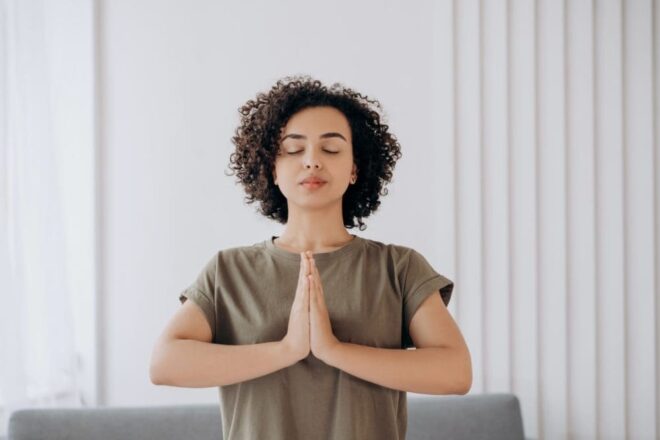
For example, practices such as deep breathing exercises or mindfulness meditation can activate the body’s relaxation response, lowering heart rate, reducing cortisol levels (a stress hormone), and fostering a sense of calm. These practices can help stroke survivors feel more at ease and less overwhelmed by their situation, which can lead to improved overall health.
2. Providing Emotional Support
Stroke survivors often experience a range of intense emotions during recovery, including fear, frustration, anger, and sadness. Spirituality can help individuals make sense of these feelings and find emotional support. For many people, their faith or spiritual practice provides a sense of belonging, community, and reassurance.
Support from religious or spiritual communities can be particularly important, as many stroke survivors feel isolated and lonely due to physical limitations. Group prayer, attending services, or participating in spiritual support groups can foster a sense of connection and provide a network of people who understand the survivor’s challenges.
3. Enhancing Hope and Purpose
One of the most significant ways spirituality can impact stroke recovery is by providing hope and a renewed sense of purpose. After a stroke, many survivors experience feelings of despair or helplessness, especially when faced with long-term rehabilitation and physical limitations. Spirituality can help survivors find meaning in their experience, which can motivate them to continue their recovery journey.
For many, the belief in a higher power or divine purpose can provide comfort and hope for the future. Whether through faith-based affirmations or spiritual guidance, stroke patients may find the strength to push through difficult moments and remain committed to their rehabilitation efforts.
4. Improving Physical Healing Through Positive Energy
While the body heals physically through medical treatments and therapy, spirituality can also play a role in healing by promoting a positive mindset. Studies have shown that positive emotions and a hopeful outlook can have tangible effects on health, including strengthening the immune system, improving cardiovascular health, and even reducing the risk of future strokes.
Practices like visualization, prayer, or affirmations can help stroke patients focus on healing and recovery. Some survivors choose to engage in prayer or meditation with the intention of visualizing their recovery or asking for strength and guidance during their healing process. By creating an optimistic mental environment, patients may feel more empowered to take an active role in their recovery, which can improve their physical and emotional well-being.
5. Strengthening the Mind-Body Connection
Stroke recovery isn’t just about physical rehabilitation—it also involves re-establishing a strong mind-body connection. Stroke survivors often experience changes in cognitive function, memory, and emotional regulation, which can make rehabilitation more challenging. Spiritual practices can help strengthen this connection by encouraging mindfulness, self-reflection, and a deeper understanding of one’s body and mind.
For example, body scan meditation, where a person mentally scans each part of their body and notices any sensations or discomfort, can help stroke survivors become more in tune with their physical healing process. This practice can also help manage pain, improve sleep, and promote a greater sense of self-awareness, all of which are important in the recovery journey.
Spirituality in Stroke Rehabilitation Programs
Some rehabilitation centers and stroke recovery programs are beginning to incorporate spirituality into their treatment plans. This might include offering patients access to spiritual counselors, organizing group prayer sessions, or providing spaces for meditation or reflection. These programs recognize that recovery isn’t just about physical healing—it’s also about nurturing the mind, emotions, and spirit.
Incorporating spirituality into rehabilitation can create a more holistic approach to recovery, which aligns with the understanding that the mind and body are interconnected. This comprehensive approach to healing can improve patients’ overall well-being and help them feel supported during their recovery journey.
Personal Stories: Spirituality and Stroke Recovery
Many stroke survivors share powerful stories of how spirituality has helped them recover faster and with greater resilience. For example, one survivor may have found strength in prayer and a deep connection to their faith, allowing them to stay positive despite physical challenges. Others may find peace through meditation or yoga, which has helped them relax and stay focused on their rehabilitation goals.
These personal stories demonstrate that spirituality can play a meaningful role in stroke recovery. Whether through religious practices, mindfulness, or community support, spirituality can provide a source of comfort, motivation, and strength during the recovery process.
Final Thoughts: Spirituality and Stroke Recovery
While there is no one-size-fits-all approach to stroke recovery, spirituality can offer stroke survivors an additional source of healing and support. Spiritual practices can reduce stress, provide emotional support, enhance hope and purpose, and even improve physical recovery. Integrating spirituality into the recovery process can help survivors stay motivated, manage their emotions, and build a positive mindset, all of which are essential for healing.
Ultimately, spirituality is a personal experience, and each stroke survivor will have a unique relationship with their spiritual practices. Whether through prayer, meditation, or simply finding peace in nature, spirituality can serve as a powerful ally in the journey toward recovery.
If you’re a stroke survivor or caregiver, consider exploring spiritual practices that resonate with you and see how they may enhance your recovery. It’s never too late to embrace spirituality as a tool for healing and growth—your journey is yours to shape.




Derrick2063
Posted at 11:44h, 06 Augusthttps://shorturl.fm/CuZD9
Jaden375
Posted at 16:03h, 30 Augusthttps://shorturl.fm/VS6eK
Jamal1615
Posted at 13:22h, 04 Septemberhttps://shorturl.fm/kFQ7g
Will2436
Posted at 18:27h, 04 Septemberhttps://shorturl.fm/wDMf7
Jay3998
Posted at 09:11h, 07 Septemberhttps://shorturl.fm/oD9Jm
Kira2445
Posted at 09:44h, 12 Octoberhttps://shorturl.fm/U2zDd
Victor2041
Posted at 17:20h, 14 Octoberhttps://shorturl.fm/uWAAA