Recovering from a stroke is a complex process that involves much more than just physical rehabilitation. Stroke survivors often face a multitude of challenges, including cognitive impairments, emotional distress, and changes in their sense of identity and independence. While traditional therapies such as physical, occupational, and speech therapy remain essential, alternative and complementary approaches like art therapy are gaining recognition for their profound impact on stroke recovery. Art therapy offers a holistic and non-invasive way to address the emotional, cognitive, and even physical challenges that arise after a stroke.
What Is Art Therapy and How Does It Help Stroke Survivors?
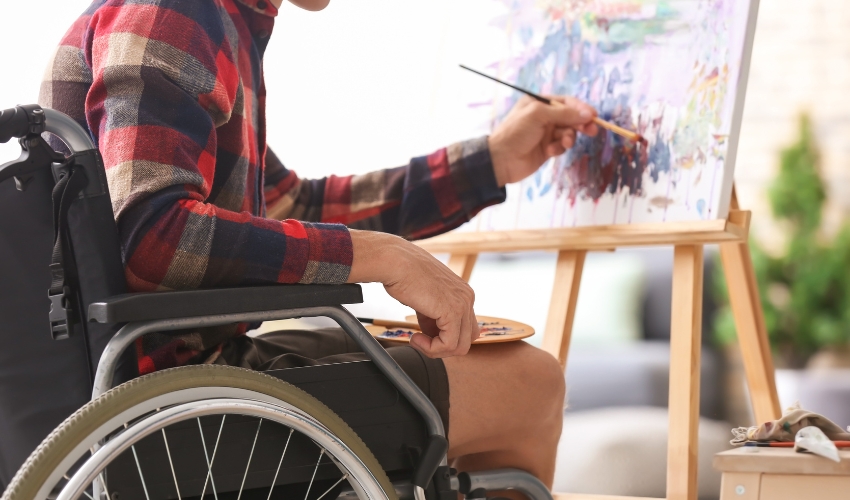
Art therapy is a form of expressive therapy that uses the creative process of making art to improve a person’s physical, mental, and emotional well-being. For stroke survivors, art therapy does not require prior artistic experience or skill. Instead, it focuses on the creation process rather than the final product. Through activities such as painting, drawing, sculpting, or engaging in music and dance, individuals can communicate thoughts and emotions that may be difficult to express verbally, especially if they have experienced speech or language impairments.
The American Art Therapy Association defines art therapy as a mental health profession that uses the creative process to help people explore their feelings, reconcile emotional conflicts, foster self-awareness, and reduce anxiety. This creative expression can be significant for stroke survivors, whose lives may have been dramatically altered by the sudden nature of their condition.
The Cognitive and Emotional Benefits of Art Therapy
Many stroke survivors experience difficulties with memory, attention, problem-solving, and executive functioning. Engaging in art-based activities can stimulate the brain and promote neuroplasticity—the brain’s ability to reorganize and form new neural connections. For example, painting or assembling a collage encourages the brain to plan, make decisions, and recall memories. These cognitive exercises help strengthen areas affected by the stroke.
In addition to cognitive benefits, art therapy offers significant emotional relief. Depression and anxiety are common among stroke survivors. A study published in Frontiers in Stroke noted that creative arts interventions could reduce depression and improve quality of life among individuals recovering from neurological injuries. Creating art offers a safe outlet for expressing grief, frustration, and other complex emotions. It can provide a sense of control during a time when many survivors feel powerless.
A 2023 study in the Journal of the Neurological Sciences also found that patients participating in art therapy showed reduced anxiety levels and increased engagement in their rehabilitation journey. Simply put, the act of creating something can bring joy, satisfaction, and hope to those on the long path to recovery.
Building Confidence and Self-Esteem Through Creative Expression
One often overlooked aspect of stroke recovery is the impact on a person’s self-esteem and sense of identity. After a stroke, individuals may feel disconnected from their previous capabilities, roles, or careers. Art therapy can help rebuild a sense of self through the empowerment of creation. Each completed art project, whether it’s a simple sketch or a painted canvas, acts as a tangible achievement, fostering pride and reinforcing the survivor’s capacity to grow and learn new skills.
According to an article by UGallery, art therapy sessions have helped stroke survivors regain confidence and build new purpose as they navigate life after stroke. Creating a painting, sculpting a figure, or even keeping a visual journal can give stroke survivors the confidence they need to tackle other aspects of their rehabilitation.
Supporting Physical Rehabilitation Through Art
While art therapy is widely recognized for its emotional and psychological benefits, it also plays a valuable role in physical recovery. Fine motor skills, such as holding a brush or molding clay, are often impacted by stroke. Repetitive art activities can serve as exercises to rebuild hand strength, coordination, and dexterity.
Occupational therapists sometimes incorporate creative tasks into sessions to support the rehabilitation of motor functions. According to a review published on the National Institutes of Health website, art-based interventions help patients with upper limb dysfunction improve muscle control, flexibility, and precision. These benefits are especially significant for stroke survivors learning to use their dominant hand again or adapting to use their non-dominant hand.
In cases where larger motor movements are required, art therapy involving movement, such as dance or body-based expression, can support balance and posture. Movement-based art therapies, like dance therapy, are shown to improve gait, endurance, and even speech rhythm. Programs like Dance for PD (Parkinson’s Disease) have inspired similar efforts for stroke patients, reinforcing the idea that movement and rhythm can play a therapeutic role.
Stories of Success: How Art Therapy Changes Lives
Across the country and around the world, art therapy programs are helping stroke survivors lead more fulfilling lives. The American Heart Association shared the story of a stroke survivor who turned to painting after her stroke as a way to reconnect with herself and her loved ones. She described the experience as “healing, soothing, and empowering” (Heart.org). Her artwork eventually became part of a public exhibit to inspire others in recovery.
In the United Kingdom, RWK Goodman highlights how stroke survivors participating in art sessions report increased social interaction, reduced feelings of isolation, and better quality of life (RWK Goodman). These sessions often bring people together in a safe, creative space where shared experiences lead to emotional connection and support.
Even world-renowned artist and musician Joni Mitchell credited music and singing with helping her regain speech and cognitive function after a life-altering stroke. Her story has sparked public interest in the power of music therapy for neurological rehabilitation (The Guardian).
Incorporating Art Therapy Into Stroke Recovery Plans
Bringing art therapy into a stroke survivor’s recovery plan can begin in small but meaningful ways. Ideally, a certified art therapist should be involved in crafting a personalized approach based on the patient’s physical abilities and emotional goals. Many rehabilitation centers now include creative therapy sessions as part of their multidisciplinary offerings.
For caregivers and family members, encouraging art at home can also make a difference. Providing simple materials like sketchbooks, colored pencils, or even adult coloring books can open the door to creative exploration. Setting aside time for music, journaling, or collaborative projects can create moments of connection and joy.
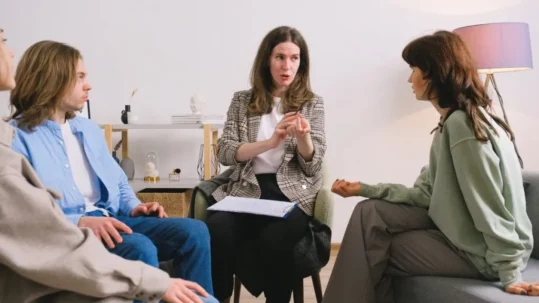
Group sessions—either in rehabilitation centers or community-based programs—can further enrich the experience. These sessions provide both therapeutic value and a chance to bond with others who understand the journey. Many communities now offer stroke support groups that include regular art activities as part of their schedule.
Conclusion: A Creative Path Toward Healing
Art therapy is more than just a creative outlet—it is a transformative tool that touches the emotional, cognitive, and physical dimensions of stroke recovery. By engaging in the process of art-making, stroke survivors can rediscover their strengths, express their inner worlds, and rebuild essential skills for daily life. Whether used in conjunction with conventional therapies or as a standalone practice, art therapy offers a unique path to healing that is both personal and powerful.
For those interested in exploring art therapy further, the American Art Therapy Association offers a directory of licensed practitioners, while the American Stroke Association provides additional resources on holistic recovery strategies. Whether you’re a stroke survivor, caregiver, or healthcare professional, embracing the healing power of art may open doors to recovery that words alone cannot.





Aylin521
Posted at 16:57h, 13 Augusthttps://shorturl.fm/W9h9z
Thomas3166
Posted at 18:07h, 16 Augusthttps://shorturl.fm/1RtwT
Hendrix93
Posted at 11:11h, 28 Septemberhttps://shorturl.fm/h6VAy