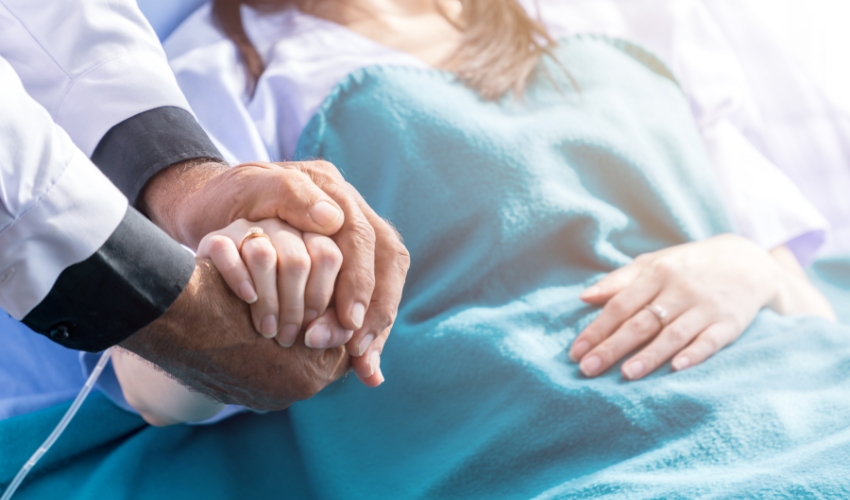
When a loved one experiences a stroke, it’s not just their world that changes—yours does too. Recovery can be a long and complex journey, and knowing how to support a stroke survivor begins with understanding the physical, emotional, and cognitive changes they may face. Whether you’re a family member, friend, or caregiver, the more informed you are, the better equipped you’ll be to provide meaningful support.
In this blog, we’ll break down the common changes stroke survivors experience and how you can help them regain independence and improve their quality of life.
What Is a Stroke?
A stroke occurs when blood flow to a part of the brain is blocked (ischemic stroke) or when a blood vessel in the brain bursts (hemorrhagic stroke). Brain cells begin to die within minutes, making immediate medical attention critical. According to the Centers for Disease Control and Prevention (CDC), stroke is a leading cause of serious long-term disability in the United States. Nearly 800,000 people experience a stroke each year, and many are left with lasting impairments.
Physical Changes After Stroke
Stroke survivors often face challenges in mobility and coordination due to muscle weakness, paralysis, or difficulty with balance and movement. Common physical effects include hemiparesis or hemiplegia (weakness or paralysis on one side of the body), muscle spasticity (involuntary muscle tightness or stiffness), chronic fatigue, swallowing difficulties (dysphagia), and pain, especially in the shoulders, arms, or joints.
To help, encourage regular physical therapy, which is key to regaining movement. Learn more about recovery techniques from the American Stroke Association. You can also help modify the home environment to improve accessibility—installing grab bars, non-slip mats, and wider walkways. While assisting with daily tasks like bathing and dressing is helpful, it’s also important to promote independence where possible.
Communication and Cognitive Challenges
Strokes can affect areas of the brain responsible for language, memory, and attention. Survivors may struggle to find words, follow conversations, or retain new information. Common cognitive and language changes include aphasia (difficulty speaking, understanding speech, reading, or writing), memory loss (especially short-term memory), trouble concentrating, and executive dysfunction (impaired planning or problem-solving).
You can help by using short, simple sentences and giving your loved one time to respond. Explore speech-language therapy, which is often critical for recovery. The National Aphasia Association offers helpful communication tips and resources. Use memory aids like sticky notes, checklists, and smartphone reminders. Most importantly, stay patient—frustration is common, and emotional support goes a long way.
Emotional and Behavioral Changes
Recovery from a stroke isn’t just about physical healing. Emotional well-being plays a critical role, and strokes often lead to mood changes, depression, or anxiety. Possible emotional effects include post-stroke depression (which affects approximately one-third of stroke survivors, according to Stroke Foundation Australia), anxiety or panic attacks, emotional lability (sudden, uncontrollable emotional outbursts), and frustration or anger due to new limitations.
You can support emotional health by encouraging counseling or support groups. The National Stroke Association’s support group finder can help locate one near you. Monitor for signs of depression and encourage professional intervention if needed. Creating a routine can help manage uncertainty and boost emotional stability. And often, just being there to listen makes a powerful difference.
Practical Support for Daily Life
Even as stroke survivors regain strength, they may still need help with daily activities like shopping, cooking, handling finances, and transportation. Ways you can help include assisting with errands or coordinating meal deliveries using services like Meals on Wheels, helping manage medications and medical appointments using digital tools like Medisafe, and exploring transportation services tailored for people with disabilities, such as Eldercare Locator. Encouraging small steps toward independence, like preparing a simple breakfast or folding laundry, can help rebuild confidence.
Tips for Caregivers
Being a caregiver is rewarding, but it’s also incredibly challenging. Burnout is real—and common. Prioritize your self-care by taking breaks and asking for help when needed. Join a caregiver support group such as the Family Caregiver Alliance, and make your own health a priority, including regular exercise and mental health care. Consider respite care options for temporary relief from caregiving duties when necessary.
Technology That Can Help
Innovative tech tools can help both survivors and caregivers manage daily challenges and stay safe. Recommended tools include medical alert systems like Lifeline that provide emergency help with the push of a button, smart home devices such as voice assistants and fall sensors, and therapy apps like Constant Therapy designed to improve cognitive and language skills post-stroke.
The Power of Empathy and Patience
Supporting a stroke survivor isn’t about doing everything for them—it’s about doing everything with them. Celebrate small wins. Offer words of encouragement. And most importantly, be present. Your support—physical, emotional, or logistical—can make all the difference in their recovery and outlook.
Final Thoughts
Understanding the changes that come after a stroke empowers you to support your loved one with compassion, patience, and confidence. From physical rehabilitation to emotional encouragement, your role matters more than you may realize. Want to make an even bigger impact? Consider donating to stroke research organizations like the American Stroke Association or volunteering with your local stroke support network.






Madelyn2592
Posted at 18:07h, 16 Augusthttps://shorturl.fm/7WCPE
Miles4792
Posted at 08:41h, 23 Augusthttps://shorturl.fm/9gFM3
Penelope1569
Posted at 18:27h, 04 Septemberhttps://shorturl.fm/v1nhb
Marion1774
Posted at 23:39h, 01 Octoberhttps://shorturl.fm/C9pi1