Stroke. Just the word can evoke fear and uncertainty. It’s a medical emergency that can drastically alter lives. If you or a loved one has been affected by stroke, you likely have countless questions. This post aims to provide answers to 15 of the most important questions about stroke, helping you navigate the recovery journey with greater understanding.
1. What exactly is a stroke?
A stroke, sometimes called a “brain attack,” occurs when blood supply to the brain is interrupted. This interruption can happen in two main ways:
- Ischemic Stroke: This is the most common type, caused by a blood clot blocking an artery supplying blood to the brain.
- Hemorrhagic Stroke: This occurs when a blood vessel in the brain ruptures, causing bleeding.
Both types deprive brain cells of oxygen and nutrients, leading to cell damage or death.
2. What are the warning signs of a stroke? (FAST)
Recognizing the signs of a stroke is crucial for prompt treatment. Remember the acronym FAST:
- Face drooping: Does one side of the face droop or feel numb?
- Arm weakness: Is one arm weak or numb?
- Speech difficulty: Is speech slurred, or is the person unable to speak or hard to understand?
- Time to call 911: If someone shows any of these symptoms, even if they go away, call 911 immediately.
3. What are the risk factors for stroke?
Several factors can increase your risk of stroke, including:
- High blood pressure
- High cholesterol
- Heart disease
- Diabetes
- Smoking
- Obesity
- Family history of stroke
- Atrial fibrillation
4. What happens during a stroke in the brain?
When blood flow is cut off, brain cells begin to die within minutes. This damage can affect various brain functions, depending on the area of the brain affected. This is why quick treatment is so important, as it helps to minimize brain damage.
5. How is a stroke diagnosed?
Doctors use several methods to diagnose a stroke, including:
- Physical examination and neurological assessment
- CT scan or MRI of the brain
- Blood tests
- Angiogram (to visualize blood vessels)
6. What are the common effects of a stroke?
The effects of a stroke vary widely, depending on the location and extent of brain damage. Common effects include:
- Weakness or paralysis on one side of the body
- Speech difficulties (aphasia)
- Vision problems
- Balance and coordination problems
- Cognitive impairments (memory, attention, problem-solving)
- Emotional changes (depression, anxiety)
7. What is the goal of stroke rehabilitation?
The goal of stroke rehabilitation is to help survivors regain as much function as possible and improve their quality of life. This involves a multidisciplinary approach, including physical therapy, occupational therapy, speech therapy, and psychological support.
8. How long does stroke rehabilitation last?
The duration of rehabilitation varies depending on the severity of the stroke and the individual’s progress. It can range from weeks to months or even years.
9. What is physical therapy after a stroke?
Physical therapy focuses on improving motor skills, strength, balance, and coordination. Therapists work with survivors to regain the ability to walk, use their affected limbs, and perform daily activities.
10. What is occupational therapy after a stroke?
Occupational therapy helps survivors regain independence in daily tasks, such as dressing, bathing, and eating. Therapists may also recommend adaptive equipment or modifications to the home environment.
11. What is speech therapy after a stroke?
Speech therapy addresses communication difficulties, such as aphasia (difficulty speaking or understanding language) and dysarthria (difficulty with speech articulation).
12. What are the emotional challenges after a stroke?
Stroke can cause significant emotional challenges, including depression, anxiety, frustration, and anger. It’s essential to seek psychological support to address these challenges.
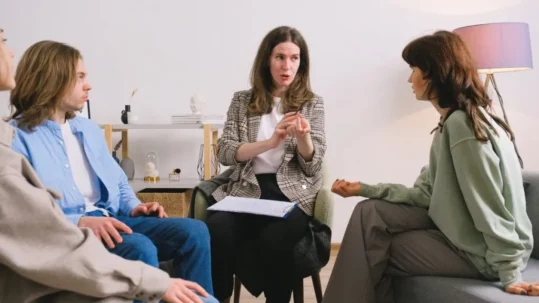
13. What is the importance of family support in stroke recovery?
Family support plays a crucial role in stroke recovery. Family members can provide emotional support, assist with daily tasks, and participate in rehabilitation activities.
14. What lifestyle changes are necessary after a stroke?
Lifestyle changes are essential to reduce the risk of future strokes and improve overall health. These changes may include:
- Controlling blood pressure and cholesterol
- Managing diabetes
- Quitting smoking
- Maintaining a healthy weight
- Eating a balanced diet
- Regular exercise
15. Where can I find support and resources for stroke recovery?
Numerous organizations provide support and resources for stroke survivors and their families, including:
Remember, stroke recovery is a journey, not a destination. It requires patience, perseverance, and a strong support system. By understanding the facts about stroke and taking proactive steps, you can improve your chances of a successful recovery.





Deirdre4700
Posted at 23:44h, 20 AprilVery good https://is.gd/tpjNyL
Ricky495
Posted at 19:31h, 22 AprilVery good https://is.gd/tpjNyL
Herbert1205
Posted at 09:00h, 23 AprilAwesome https://is.gd/tpjNyL
Alivia3359
Posted at 15:46h, 23 AprilAwesome https://shorturl.at/2breu
Bianca97
Posted at 20:17h, 23 AprilVery good https://shorturl.at/2breu
Drake4647
Posted at 01:17h, 25 AprilVery good https://lc.cx/xjXBQT