A stroke is a life-altering event that affects not only a person’s physical abilities but also their emotional and mental health. While the primary focus of stroke treatment often revolves around physical recovery, the emotional and psychological changes that accompany a stroke are just as significant. Personality changes after a stroke are common, and they can deeply affect a stroke survivor’s relationships, work life, and overall quality of life. Understanding these changes and the role that time plays in emotional recovery is essential for both stroke survivors and their caregivers.
In this blog post, we’ll explore the nature of personality changes following a stroke, the factors that contribute to these changes, and how healing emotions over time can help stroke survivors regain a sense of self. We’ll also discuss strategies for managing these changes and how caregivers and loved ones can provide support during the emotional recovery process.
Understanding Personality Changes After Stroke
A stroke occurs when the blood flow to a part of the brain is interrupted, causing brain cells to die. This damage can affect a range of cognitive functions, from movement and speech to emotional regulation and behavior. Depending on the area of the brain that is affected, a stroke survivor may experience different personality shifts.
The brain’s frontal lobe, which plays a key role in personality, emotional control, and social behavior, is often impacted by strokes. When this area is damaged, it can lead to changes in mood, behavior, and interpersonal dynamics. Personality changes may include:
- Irritability or Anger: Stroke survivors may become more prone to frustration or outbursts, especially if they are struggling with physical limitations or communication difficulties.
- Emotional Lability: Some survivors may experience sudden mood swings, ranging from crying to laughing, which can seem out of context.
- Depression and Anxiety: It’s common for stroke survivors to feel down or anxious, especially if they are adjusting to new limitations and uncertainties about their future.
- Impulsivity: Damage to the brain’s frontal lobe can reduce impulse control, leading to behaviors that may seem inappropriate or out of character.
- Apathy: On the other hand, some survivors may show a lack of interest in activities or people they once enjoyed, withdrawing from social interactions or becoming less motivated.
- Changes in Empathy: Stroke survivors may find it more difficult to empathize with others or show the same level of emotional understanding they did before the stroke.
These changes can be jarring for both the stroke survivor and their loved ones. It’s essential to recognize that these personality shifts are often due to neurological changes and should not be seen as a deliberate change in character. Over time, as the brain heals and adjusts, many of these emotional and personality-related issues can improve.
The Role of Time in Emotional Healing
Healing from a stroke, both physically and emotionally, is a gradual process. While the immediate focus may be on physical recovery, emotional healing also takes time. It’s important for stroke survivors to understand that personality changes are often temporary, and they can improve with rehabilitation, time, and support.
Brain plasticity, or the brain’s ability to reorganize itself and form new neural connections, plays a key role in emotional recovery. Through therapies like cognitive rehabilitation, speech therapy, and psychological counseling, stroke survivors can re-learn emotional regulation and coping mechanisms. Over time, many survivors experience a reduction in personality changes, and their emotional well-being improves.
The healing process is unique to each individual, and while some survivors may regain their pre-stroke emotional state relatively quickly, others may take longer. Factors like the severity of the stroke, the area of the brain affected, the survivor’s age, and the level of support they receive all influence the recovery timeline.
Strategies for Managing Personality Changes
While personality changes are a natural part of the stroke recovery process, there are several strategies that stroke survivors and their caregivers can use to manage these changes and promote emotional healing:
1. Engage in Emotional Therapy
Emotional therapy, such as counseling or psychotherapy, can be extremely helpful for stroke survivors who are dealing with emotional and personality changes. A therapist can work with the individual to explore their feelings, develop coping strategies, and address any underlying issues such as anxiety or depression. Cognitive Behavioral Therapy (CBT) is often effective in helping survivors understand their emotions and change negative thought patterns.
2. Support Groups
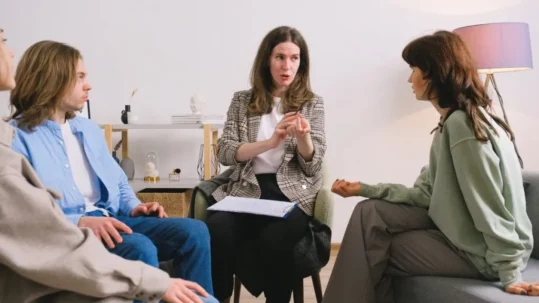
Participating in a stroke survivor support group can be a great way for individuals to share their experiences, learn from others, and build emotional resilience. Support groups provide a safe space to discuss challenges and emotions in a non-judgmental environment. They can also be a valuable resource for caregivers, offering guidance and insight into the recovery process.
3. Medication Management
For some survivors, medications may be prescribed to help manage mood swings, anxiety, or depression. Antidepressants or anti-anxiety medications can be helpful in stabilizing mood, especially during the early stages of recovery. It’s important for stroke survivors to work closely with their healthcare team to determine the best treatment plan.
4. Develop a Routine
Having a structured daily routine can help stroke survivors feel more in control of their environment and reduce feelings of uncertainty or anxiety. Routine activities such as regular exercise, therapy sessions, and social interactions can provide a sense of normalcy and accomplishment. Over time, this can help restore a sense of identity and purpose.
5. Patience and Self-Compassion
Healing emotions after a stroke requires patience, both for the stroke survivor and their caregivers. It’s important to recognize that personality changes may not resolve overnight, and there may be setbacks along the way. Survivors should practice self-compassion and remind themselves that emotional recovery is just as important as physical recovery. Similarly, caregivers should be patient and understanding, offering encouragement and emotional support as the survivor works through their recovery journey.
6. Focus on Communication
Communication difficulties are common after a stroke, and they can contribute to frustration and emotional stress. It’s crucial for stroke survivors and their loved ones to focus on improving communication. Speech therapy can help with verbal communication, while non-verbal strategies such as writing, using gestures, or utilizing communication devices can also be useful. Open communication can help reduce misunderstandings and emotional tension.
7. Encourage Social Interaction
Social isolation can exacerbate emotional difficulties, so it’s important for stroke survivors to maintain connections with loved ones and the community. Encourage the survivor to engage in social activities they enjoy, whether it’s a hobby, family gathering, or support group. Socializing can help combat feelings of loneliness and boost mood.
How Caregivers Can Support Emotional Healing
Caregivers play a crucial role in helping stroke survivors navigate the emotional changes that come with recovery. Here are some ways caregivers can support emotional healing:
- Listen and Offer Emotional Support: Be a supportive listener and offer empathy. Acknowledge the survivor’s feelings and provide comfort when they express frustration, sadness, or anger.
- Set Realistic Expectations: Understand that emotional healing may take time, and set realistic expectations for progress. Celebrate small victories and milestones along the way.
- Encourage Independence: While it’s important to provide support, encourage the stroke survivor to regain as much independence as possible. This can help boost self-esteem and emotional well-being.
- Take Care of Yourself: Caregivers should also make time for self-care. Managing your own emotional health will help you provide better support to the stroke survivor.
Conclusion
Personality changes after a stroke can be challenging, but they are a natural part of the recovery process. With time, therapy, and support, stroke survivors can heal emotionally and regain a sense of self. It’s important to remember that healing from a stroke is a journey, and both the survivor and their loved ones need to be patient, compassionate, and committed to the process. By understanding the emotional changes that can occur and employing strategies to manage them, stroke survivors can rebuild their lives and find new ways to cope with the challenges they face.






No Comments