Recovering from a stroke is a journey that requires both physical and emotional strength. For many stroke survivors, the process of rehabilitation can feel monotonous and daunting, especially as they face the challenges of rebuilding skills, gaining strength, and regaining independence. However, making post-stroke treatment engaging can help not only in improving the recovery process but also in maintaining motivation and encouraging consistent participation in therapy.
Here are 7 ways to make post-stroke treatment engaging, helping survivors remain committed to their rehabilitation and ultimately achieve a better quality of life.
1. Incorporate Technology for Interactive Therapy
Technology has transformed many aspects of healthcare, and stroke recovery is no exception. Virtual reality (VR), interactive video games, and computer-assisted rehabilitation programs can make therapy sessions more enjoyable. These technologies allow stroke survivors to participate in exercises that mimic real-world activities, helping them improve motor skills, coordination, and cognitive function in a fun and engaging way.
For instance, VR therapy has been shown to help patients practice movements in a safe, controlled environment. This technology can be particularly beneficial for patients with limited mobility or cognitive impairments, as it provides immediate feedback and adjusts difficulty levels to suit the individual’s abilities. It can also make repetitive exercises feel less tedious by turning them into engaging tasks like virtual walking or gaming challenges.
By using these tools, therapists can tailor sessions to the patient’s specific needs while keeping the process exciting and rewarding. As a bonus, many of these programs allow patients to track their progress, creating a sense of achievement and motivating them to push forward.
2. Set Small, Achievable Goals
Setting clear, attainable goals is essential in any recovery process, and stroke rehabilitation is no different. However, it’s important that these goals are broken down into small, manageable steps that allow stroke survivors to experience regular success. This helps build a sense of accomplishment, boosting motivation and confidence in their abilities.
For example, if a stroke survivor’s long-term goal is to regain the ability to walk independently, smaller milestones might include sitting up unaided, standing with assistance, or walking with a walker for a few steps. Each time a milestone is reached, it’s crucial to celebrate the achievement. This approach not only keeps patients motivated but also reminds them of how far they’ve come, reinforcing a sense of progress.
Regular check-ins with healthcare providers to evaluate these goals can help track progress and adjust therapy as needed. A focus on small wins keeps the patient engaged and fosters a positive outlook on their recovery journey.
3. Use a Team-Based Approach
Stroke recovery is a multi-faceted process that involves a wide range of healthcare professionals, including physical therapists, occupational therapists, speech therapists, neurologists, and psychologists. But it doesn’t have to be isolated to just the medical team. Involving family members, friends, and loved ones in the recovery process can make the experience feel more connected and engaging.
Creating a support system that actively participates in therapy can encourage stroke survivors to feel more connected and less isolated. A collaborative approach not only makes recovery more engaging but also helps to normalize the process of rehabilitation. Family members can participate in exercises at home, celebrate small victories, and offer emotional support, which can make therapy feel less like a chore and more like a shared journey.
Moreover, involving others in the process allows for a deeper understanding of the challenges faced by stroke survivors, which helps everyone involved remain committed to the rehabilitation process.
4. Incorporate Creative Activities
Many stroke survivors struggle with the emotional side effects of their condition, such as frustration, anxiety, and depression. Engaging in creative activities like art therapy, music therapy, or writing exercises can help alleviate these feelings and provide an outlet for expression. These types of activities have been proven to reduce stress, improve emotional well-being, and promote cognitive function.
Art therapy, for example, allows stroke survivors to use their creativity to express themselves when words may be difficult. It can improve fine motor skills, hand-eye coordination, and cognitive function, all while offering a sense of accomplishment and fun. Music therapy, on the other hand, helps patients rebuild speech and language skills and can also improve motor skills, especially through rhythmic exercises.
By incorporating these creative outlets into treatment plans, patients are encouraged to explore new forms of self-expression, helping to combat frustration while enhancing their mental and emotional health.
5. Gamify the Rehabilitation Process
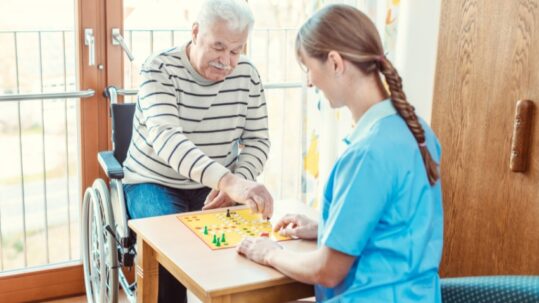
Turning rehabilitation into a game can be an incredibly effective way to make therapy more enjoyable. The concept of “gamification” uses game design elements—such as rewards, challenges, and leveling up—to make tasks more engaging and motivating.
In stroke recovery, this might involve using apps or devices that provide rewards for completing exercises, or creating a points system where survivors earn points for accomplishing specific activities. The friendly competition—whether with a therapist, a peer, or even themselves—adds an element of fun and challenge to the process.
Gamification can be particularly effective for patients who are struggling with a lack of motivation or are finding certain exercises tedious. With a game-like structure, therapy feels less like a chore and more like an exciting challenge, encouraging consistent participation and effort.
6. Focus on Functional Activities
While exercises in a clinical setting are crucial, it’s equally important to integrate real-life activities that are meaningful to the stroke survivor. Instead of focusing only on abstract exercises, helping patients practice tasks they are likely to perform daily—such as preparing a meal, brushing their teeth, or managing finances—can make therapy more relevant and engaging.
Functional activities are naturally motivating because they allow patients to envision how their efforts in therapy will translate into greater independence in daily life. It’s easier to commit to exercises when patients can see how they will help them return to doing what they love, whether that’s caring for a pet, spending time with family, or getting back to work.
Therapists can incorporate activities into the rehabilitation process that are tailored to the survivor’s personal interests, making recovery feel more engaging and less like a clinical obligation.
7. Create a Routine with Flexibility
A consistent routine is important for stroke recovery as it helps survivors stay on track with their rehabilitation. However, it’s also important to allow for flexibility in the routine to maintain engagement and prevent burnout.
Having a set time for therapy sessions each day creates structure, but mixing up the exercises and activities helps keep things fresh. For instance, alternating between physical, cognitive, and emotional therapies can prevent monotony and keep survivors mentally engaged.
A routine that balances consistency with variety encourages participation while also preventing the recovery process from feeling too rigid or overwhelming. Providing options and letting patients have a say in the activities they do can help them feel more in control of their recovery, increasing both engagement and motivation.
Conclusion
Making post-stroke treatment engaging is key to promoting consistent participation and improving the chances of a successful recovery. By incorporating technology, setting achievable goals, fostering teamwork, exploring creative outlets, gamifying therapy, focusing on real-life activities, and balancing routine with flexibility, stroke survivors can stay motivated, feel empowered, and achieve lasting progress.
Recovery may be challenging, but with the right strategies, it can also be a rewarding, engaging journey.






Dakota2440
Posted at 23:42h, 20 AprilVery good https://is.gd/tpjNyL
Sean1238
Posted at 09:00h, 23 AprilGood https://is.gd/tpjNyL
Doug906
Posted at 10:33h, 23 AprilVery good https://shorturl.at/2breu
Donald512
Posted at 15:46h, 23 AprilGood https://shorturl.at/2breu
Julius4524
Posted at 01:16h, 25 AprilGood https://lc.cx/xjXBQT
Caroline1413
Posted at 12:59h, 26 AprilGood https://short-url.org/10VGf