Recovering from a stroke can be a long and challenging journey, but incorporating enjoyable and stimulating activities can make a big difference. Whether you’re a caregiver, family member, or stroke survivor, engaging in fun, therapeutic tasks can promote physical healing, cognitive development, and emotional well-being.
Below are 15 enjoyable activities that are not only fun but can also help improve motor skills, memory, communication, and confidence.
1. Painting or Drawing
Art therapy has been shown to improve cognitive and motor skills in stroke survivors. Studies suggest that creative expression helps reduce depression and improve focus. Tip: Start with adult coloring books or simple watercolor painting for hand control exercises.
2. Gentle Yoga or Chair Yoga
Yoga can help improve balance, strength, and flexibility. Chair yoga is a great option for those with limited mobility. Try following stroke-specific yoga sessions on platforms like YouTube or sign up for classes through community centers or online programs like Yoga for Stroke Recovery.
3. Gardening
Planting flowers or vegetables can be a therapeutic and satisfying way to work on fine motor skills and endurance. Even indoor gardening or caring for houseplants can be beneficial. Check out adaptive gardening tools at ArthritisSupplies.com to make the activity easier.
4. Music Therapy
Listening to music, playing instruments, or even singing can stimulate multiple areas of the brain. Music therapy has been linked to better speech and emotional recovery post-stroke. The American Music Therapy Association offers resources to find certified therapists and music-based programs.
5. Puzzles and Brain Games
Games like Sudoku, crosswords, word searches, and jigsaw puzzles encourage mental stimulation and help retrain the brain. Websites like Lumosity or HappyNeuron offer brain training games designed for cognitive rehab.
6. Cooking or Baking
With proper supervision and adaptive kitchen tools, simple cooking tasks can improve coordination and offer a rewarding sensory experience. Try stroke-friendly recipes that focus on healthy ingredients for heart and brain health from Stroke.org’s nutrition section.
7. Playing with Therapy Putty or Clay
Manipulating therapy putty can enhance grip strength and finger dexterity. You can create shapes or objects to make the activity more engaging. You can find different resistance levels of therapy putty at Therapy Shoppe.
8. Storytelling or Journaling
Writing or telling stories, either orally or through journaling, can support language recovery and emotional expression. You might consider using voice-to-text apps like Dragon Anywhere to reduce strain if writing is difficult.
9. Walking or Light Exercise
Light physical activity, like a short daily walk or using a stationary bike, can help with circulation and mobility. Many stroke rehab programs recommend daily movement. The National Stroke Association offers guides on post-stroke physical activity and safety.
10. Pet Therapy
Spending time with a pet or therapy animal can ease anxiety, lower blood pressure, and encourage movement. Organizations like Pet Partners offer certified therapy animals for stroke patients in recovery centers or home environments.
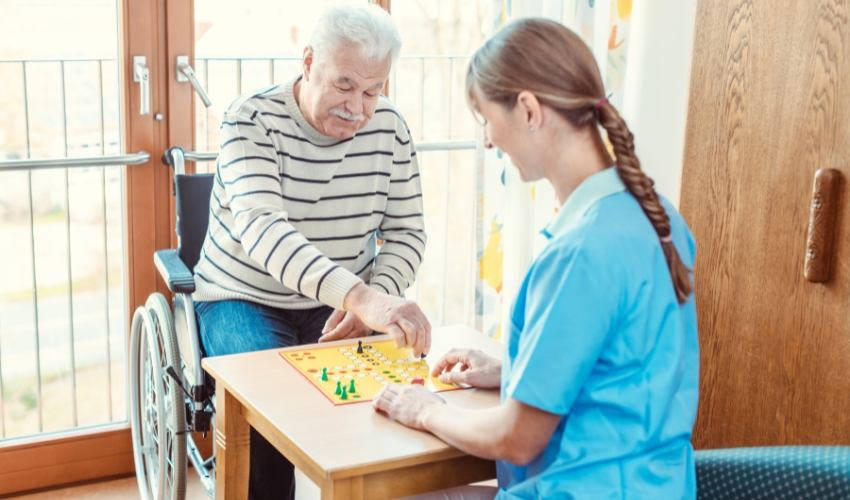
11. Card or Board Games
Playing cards or simple board games like Uno or Connect 4 encourage fine motor skills and social interaction. Look for games that offer large print or simplified rules for easier participation. Hasbro’s accessible games are a good place to start.
12. Virtual Reality (VR) Therapy
Some rehab centers now use virtual reality systems to help with balance, movement, and coordination. VR games provide engaging ways to do repetitive motion exercises that can aid neuroplasticity. Explore systems like XRHealth that are designed for medical and physical rehabilitation.
13. Reading and Audiobooks
Reading stimulates cognitive processes, while audiobooks offer an accessible alternative for those with vision or processing difficulties. Check out free stroke-related audiobooks and resources at Bookshare or Libby.
14. Mindfulness and Meditation
Practicing mindfulness can reduce anxiety, improve sleep, and help with emotional regulation. Simple breathing techniques or guided meditations can be extremely beneficial. Apps like Headspace or Calm have beginner-friendly meditations, including some tailored for recovery and relaxation.
15. Volunteering or Helping Others
Helping others can boost self-esteem and offer a sense of purpose. Even small tasks—like helping with a newsletter, organizing items, or writing cards—can help stroke survivors feel useful and connected. Look for virtual or light-volunteer roles on websites like VolunteerMatch or Catchafire.
Final Thoughts
Every stroke survivor is different, and recovery is never one-size-fits-all. It’s important to try a variety of fun, safe activities to see what feels most rewarding and supportive. Incorporating even just a few of these ideas into a weekly routine can make a big difference in mood, motivation, and mobility.
Whether it’s creating a painting, going for a walk, or simply laughing over a game of cards, each joyful moment helps reconnect the mind and body—and offers hope for continued recovery.
Have a loved one recovering from a stroke? Try adding one or two of these activities to your weekly plan and observe what works best. Recovery takes time, but it can also be filled with creativity, connection, and small victories.





Robin2581
Posted at 03:18h, 30 Septemberhttps://shorturl.fm/6jprw